
Heather Stringer is a Silicon Valley-based journalist who has been writing stories for science, technology and medical publications for more than 20 years. She has a bachelor's degree in engineering from Stanford University and is passionate about translating fascinating stories of science and medicine to the public.
____
Contact Info: heather_stringer@yahoo.com
Heather Stringer
Freelance Writer / Health, Medical, Lifestyle
San Jose, CA
Heather Stringer is a Silicon Valley-based journalist who has been writing stories for science, technology and medical publications for more than 20 years. She has a bachelor's degree in engineering from Stanford University and is passionate about translating fascinating stories of science and medicine to the public.
____
Contact Info: heather_stringer@yahoo.com
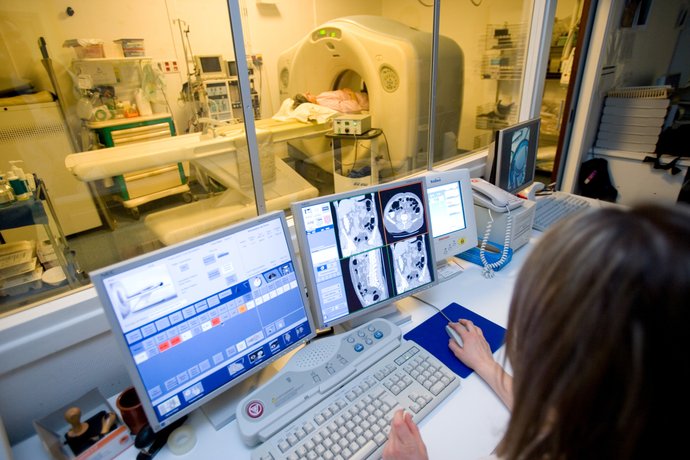
No one looks forward to that first colonoscopy, but this glimpse into the gut is one of the most powerful existing weapons against colon cancer. Yet current protocol for when to start checking for the disease may be too late for many men and may put many women through an expensive and unnecessary ordeal, a new study suggests.
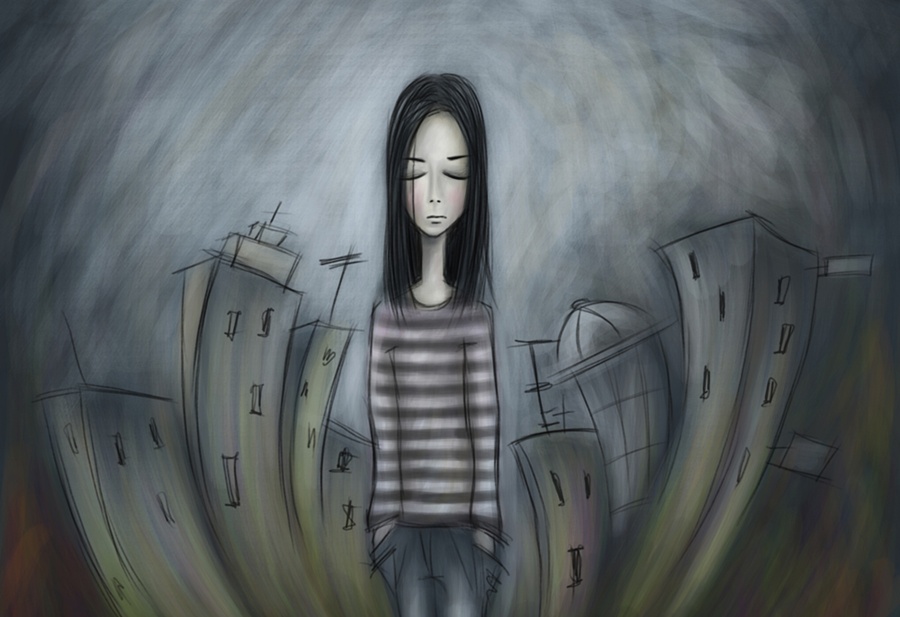
Psychological research on brain development and teen impulsivity is changing the way the justice system treats teens—and is trickling down to interventions that could help keep them out of the system in the first place
The search for a genetic link to depression, which affects 350 million people worldwide, has come up empty for years. While some people become depressed after a mild stressful event, others remain resilient to catastrophe. A British researcher and his team found two areas in the genome that appear to be key to depression.
Many men with untreated prostate cancer are not getting proper follow-up. When James Mullen of Gig Harbor, Washington, was diagnosed with prostate cancer in 2010, his doctor suggested he consider active surveillance rather than start treatment. He was a candidate for this option, his doctor explained, because his prostate-specific antigen (PSA) level combined with his biopsy’s Gleason score indicated a low risk that his cancer would progress.
Katherine Wilemon was 15 when she discovered that she was living with extremely high cholesterol levels in her blood. At the time, she and her doctors had no idea how seriously this would put her life at risk as she grew up. Katherine had gone to the family doctor because she was suffering from pain in her Achilles tendons, and he ordered a series of tests to identify the problem.
EBP building starts with a deep investigation of the literature. Donnya Mogensen, MS, RN-BC, was coordinating the new graduate nurse residency program at Children’s Hospital Colorado when she discovered that many of the nurses — and their more seasoned mentors — were struggling to grasp the concept of evidence-based practice.
In a study published in 2015, researchers found that the median duration of untreated psychosis (DUP) was 74 weeks among participants. The people in the study represented 21 states throughout the country and had sought treatment in community clinic settings (Psychiatry Services, 2015).
Recycling a plastic bottle may provide a fleeting sense of green philanthropy, but the process of making that bottle is still pretty eco-unfriendly. Now, chemists at Stanford University have developed a new plastic-making method that could leave no carbon footprint. Most of the 270 billion plastic bottles used in the U.S. each year are derived from petroleum.
Shirlie Calabrese was understandably nervous as she approached her 57th birthday in November, 2012. Her mother died of cancer at the age of 58, and her sister died of cancer at 57.
Recent studies that suggest meditation can reduce the perception of pain in adults have prompted researchers to explore whether it could provide pain relief for children with neuroblastoma.
Most of us probably take for granted that physical pain — whether it be from a sports injury, a kidney stone or appendicitis — can be attributed to some form of inflammation and that it will end. Neuropathic pain, however, affords its sufferers no such luxuries. It’s chronic and unrelenting, and its cause is unknown, making treatment difficult.